Baby on Board Retro SVG Design Review
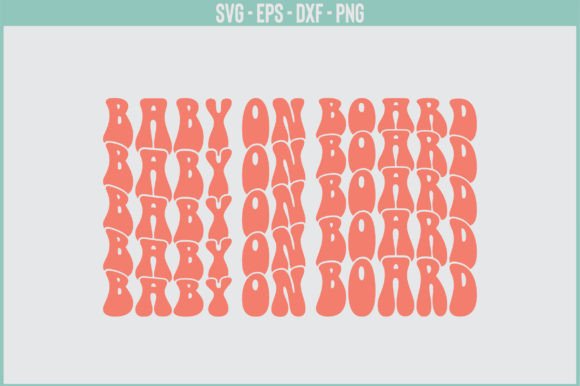
When I sit down to evaluate a new digital asset for my embroidery workflow, I am rarely interested in just the visual appeal. As a designer who frequently bridges the gap between digital files and physical stitches, my primary concern is always practicality: Will this stitch out cleanly? Will it hold up after twenty washes? And does it translate well from a screen to a hoop? That is exactly where my assessment of the Baby on Board Retro SVG Design begins. This file arrives in multiple formats, including SVG, EPS, DXF, and PNG, which suggests versatility, but for an embroiderer, the true test lies in how those vector lines convert into thread paths.
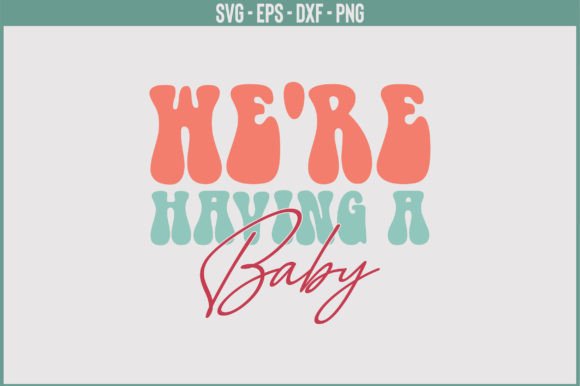
The first impression of the Baby on Board Retro SVG Design is one of immediate nostalgia. The aesthetic taps squarely into that mid-century modern vibe that has become incredibly popular in the handmade market over the last few years. It feels warm, approachable, and undeniably cute without being overly saccharine. For a craft business owner or an Etsy seller, this mood is valuable. It signals safety, care, and style simultaneously. When I look at the layout, the composition feels balanced, suggesting that it will work well as a focal point on a garment or accessory rather than getting lost in a larger pattern.
Real-World Application: From Screen to Stitch
To truly understand the value of this design, we have to imagine it in use. Let’s say you are preparing inventory for the upcoming holiday season. You decide to create a line of personalized gifts for expecting parents. The Baby on Board Retro SVG Design naturally lends itself to several high-value products. My initial thought process goes straight to custom apparel. A soft, heather grey sweatshirt embroidered with this retro motif would feel incredibly cozy and trendy. The retro theme pairs exceptionally well with the casual nature of sweatshirts, creating a custom apparel item that looks curated rather than mass-produced.
However, the utility of this embroidery project extends far beyond tops. Consider the tote bag design angle. A canvas tote featuring this design on the front panel can serve dual purposes: it acts as a stylish diaper bag or a general-purpose bag for new moms. The retro aesthetic adds a touch of sophistication that appeals to millennial and Gen Z buyers who want functional items that also look good in photos. Furthermore, for those looking to expand their small shop product range, this design translates beautifully to kitchen textiles. An embroidered tea towel or a simple apron could feature this design near the pocket or hem, offering a subtle nod to the new arrival in the household.
I also see strong potential here for nursery decor. While often associated with garments, the clean lines of a retro design can be stitched onto a quilted pillow cover or a blanket border. The key here is brand consistency. If your shop has a vintage-inspired brand identity, adding this digital embroidery file to your catalog reinforces that image while tapping into the high-demand baby gift market.
Technical Performance and Stitch Clarity
From a technical standpoint, the success of any machine embroidery design relies heavily on stitch density and detail resolution. When converting the Baby on Board Retro SVG Design from its vector origins to an embroidery file, the designer must pay close attention to how the shapes are filled. If the design relies too heavily on dense fill stitches in small areas, it may become stiff and uncomfortable against a baby’s skin. Conversely, if the details are too sparse, they might disappear during the stitching process.
This is where the inclusion of PNG and other format options is helpful for pre-production testing. Before committing to a full run, I always advise checking the design in black and white mockups. This helps visualize the negative space and ensures that the retro elements do not merge together unintentionally. When evaluating the potential for satin stitches along the edges of the text or icons, one must ensure there is enough room for the needle to travel without puckering the fabric. The retro style typically benefits from bold outlines, which usually stitch out very cleanly, providing a crisp definition that enhances the finished product quality.
Thread color selection is another critical factor. The retro palette often involves muted tones like mustard yellows, dusty teals, or terracottas. These colors tend to hide minor stitching imperfections better than bright neons, making them forgiving choices for both beginners and seasoned pros. However, contrast remains king. Ensuring that the thread color stands out distinctly against the base fabric is essential for maintaining the integrity of the design assets.
Navigating Fabric Constraints
No design is universally perfect, and the Baby on Board Retro SVG Design has specific environments where it thrives and others where caution is advised. For instance, while it works wonderfully on stable fabrics like cotton canvas or fleece, applying it to highly textured fabrics requires careful planning. The bumps in a boucle knit or a heavy tweed can distort the fine details of the retro graphic, leading to a muddy appearance. Similarly, stretchy fabrics like jersey knits need robust stabilizer support to prevent the design from warping as the garment stretches.
Another area requiring attention is hoop size. If you are attempting to digitize or use this design on smaller items, such as baby hats or caps, you must verify that the overall dimensions fit within your machine’s hoop capabilities. Curved surfaces present a unique challenge; while a cap brim offers a flat-ish surface, the curve can still cause distortion if the design is not anchored properly. Testing on scrap fabric first is non-negotiable. It allows you to inspect small details and confirm that the stitch density is appropriate for the chosen material.
Commercial Viability and Customer Appeal
For the commercial embroidery professional, the Baby on Board Retro SVG Design represents a low-risk, high-reward addition to your portfolio. The "baby on board" concept is timeless, but the retro styling gives it a contemporary edge that differentiates it from generic clip-art styles. Customers today are savvy; they can tell the difference between a rushed, poorly executed stitch job and a thoughtfully designed handmade product. By using a design with clear visual personality, you signal professionalism and attention to detail.
This design also excels in the realm of personalized gift offerings. Imagine combining this retro graphic with a family name or a due date in a complementary font. The result is a bespoke item that commands a higher price point because of its uniqueness. Whether you are selling at craft fairs, managing an online boutique, or fulfilling orders for local clients, the versatility of this design allows you to target multiple niches simultaneously—from holiday embroidery collections to wedding gifts for bridal party members who are expecting.
Ultimately, the decision to incorporate the Baby on Board Retro SVG Design into your workflow comes down to alignment with your brand and your technical confidence. It is a charming, versatile asset that, when stitched with care and appropriate materials, can elevate your embroidery project from a simple craft to a desirable commodity. Just remember to check licensing terms before selling finished items, ensure you are using the correct stabilizer for your fabric type, and always prioritize the tactile experience of the final piece. In the world of handmade goods, that feeling is what keeps customers coming back.