Single AF Retro SVG: A Designer's Take on Real-World Embroidery
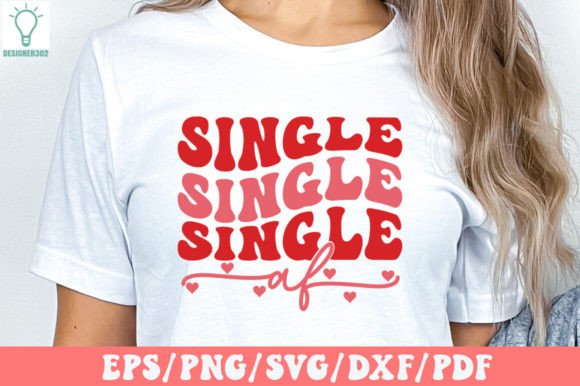
When I first opened the folder for the Single AF Retro SVG, my immediate reaction wasn't about the file formats or the download speed. It was about the attitude. In a sea of generic floral motifs and overly sweet, cutesy Valentine's designs, this piece cuts through the noise with a confident, slightly rebellious energy. As someone who has spent years reviewing digital assets for everything from boutique clothing lines to custom family gifts, I look for designs that tell a story before the needle even touches the fabric. This design doesn't just say "Valentine's Day"; it says, "I'm here, I'm single, and I love myself." That is a powerful message for a handmade product.
The aesthetic is undeniably retro. The typography feels pulled from a vintage diner menu or a 90s sticker collection, which gives it a timeless quality that avoids looking dated too quickly. For an embroidery designer, the layout is clean enough to work well in a standard hoop but detailed enough to hold attention. When I think about where this fits best, I immediately picture it on a heavy cotton tote bag or the chest of a distressed denim jacket. It's not a delicate lace applique; it's a statement piece meant to be seen and read clearly.
From Digital File to Finished Product
Translating a vector graphic into a physical embroidered item requires more than just hitting "send" on your machine. You have to consider how the stitches will interact with the material. The Single AF Retro SVG works exceptionally well as a commercial embroidery project because the bold lettering translates easily into satin stitch or a tight fill stitch without losing legibility. If you are an Etsy seller looking to expand your Valentine's inventory, this design offers a unique angle. Instead of competing with thousands of heart-shaped patches, you can offer something that resonates with the growing market for self-love and independent branding.
I recently tested this concept by preparing a custom embroidered sweatshirt for a client who runs a small creative shop. She wanted a limited-run holiday gift for her staff. We chose a heather grey fleece for the sweatshirt to let the retro vibe pop. The design sat perfectly centered on the left chest. The contrast between the dark thread and the light fabric made the text crisp, and the retro font style added a layer of professionalism that felt intentional rather than accidental. Customers often ask about the details when they see these products, and having a design that looks deliberate builds trust in the brand.
This same design also shines on baby items, though with a slight adjustment in approach. Imagine a onesie or a soft burp cloth featuring this motif. It's a fun, modern twist on traditional baby gear that parents today appreciate. However, when moving to smaller items like baby clothes or aprons, you must be mindful of the scale. The letters need to be large enough to be readable after stitching, or the charm gets lost. For a kitchen towel or a pillow cover, the size flexibility allows for a larger, more dramatic presentation that becomes a focal point in a home setting.
Where to Exercise Caution
While this design is versatile, it is not a magic bullet for every situation. There are specific scenarios where the Single AF Retro SVG might struggle if not handled with care. One of the primary concerns is the texture of the fabric. On highly textured materials like chunky bouclé or thick wool, the fine details of the retro font might get swallowed up by the weave. Similarly, on stretchy fabrics like jersey knit t-shirts, the density of the stitches could cause puckering if you don't use the right stabilizer.
Small hoop sizes present another challenge. If you are trying to fit this design onto a cap or a tiny patch, the lettering might become cramped. Embroidery machines rely on space to create distinct stitches, and squeezing a wide phrase into a narrow curve often results in overlapping threads that look messy rather than stylish. Dark fabrics also require extra attention. While high-contrast thread colors usually solve this, using light threads on a black background for a retro design can sometimes lose the definition of the serifs unless you add a tack-down stitch or a border.
Furthermore, if you plan to wash the finished product frequently, such as on work aprons or kids' clothes, you need to ensure the stitch density is sufficient. A design that looks great on a display pillow might fray at the edges if it is subjected to the rigors of daily laundry. Always test the durability of the stitch pattern before mass-producing items for sale.
Practical Notes for the Embroidery Designer
Before you commit to a production run, there are several technical steps you should take to ensure your embroidery file performs as expected. First and foremost, always test the design on scrap fabric. This is non-negotiable. Run a sample on the exact type of material you intend to use for the final product. Check the thread color contrast under different lighting conditions; what looks vibrant in your studio might appear dull in natural sunlight.
Review the stitch density carefully. If the design includes dense fill areas, ensure your machine can handle the thickness without breaking needles or tangling thread. Confirm your hoop size matches the dimensions of the design, leaving enough margin for the fabric to grip securely. Inspect small details, particularly the corners of the letters, to ensure they aren't getting lost in the digitization process. If the original file uses very thin lines, you may need to adjust the settings in your digitizing software to make them robust enough for machine embroidery.
It is also wise to test the design in black and white mockups. Sometimes, color choices can distract from the structural integrity of the design. Comparing light and dark fabric backgrounds will help you decide on the best thread palette. Use proper stabilizer for the specific fabric weight; a cut-away stabilizer is often necessary for knits, while tear-away might suffice for wovens.
Finally, verify whether the design works for both personal and commercial projects. Licensing terms vary widely among digital product sellers. If you are a craft business owner planning to sell finished items, confirm that you have the rights to do so. Some licenses allow for unlimited sales, while others restrict the number of units or prohibit resale entirely. Checking these details upfront saves you from potential legal headaches later.
In conclusion, the Single AF Retro SVG is a strong addition to any designer's library. It brings a fresh, authentic voice to the Crafts and Graphics category that stands out in a crowded marketplace. Whether you are creating personalized gifts, boutique branding, or holiday merchandise, this design offers the visual appeal and stitching clarity needed to impress customers. By following practical testing protocols and understanding the limitations of the medium, you can transform this digital asset into a professional, high-value finished product that your clients will love.