Wild Thing Retro SVG: A Designer's Real-World Embroidery Review
As someone who has spent years stitching, digitizing, and reviewing embroidery files for both personal projects and commercial ventures, I approach every new download with a mix of excitement and skepticism. The market is flooded with "cute" graphics that look great on a screen but fall apart under the needle. That brings me to the Wild Thing Retro SVG. At first glance, it promises a nostalgic vibe perfect for baby items and craft business products, but does it hold up when translated from a digital file into a tangible, stitched masterpiece? After putting this design through its paces in a simulated real-world scenario, here is my honest take.
The First Impression: Mood and Visual Personality
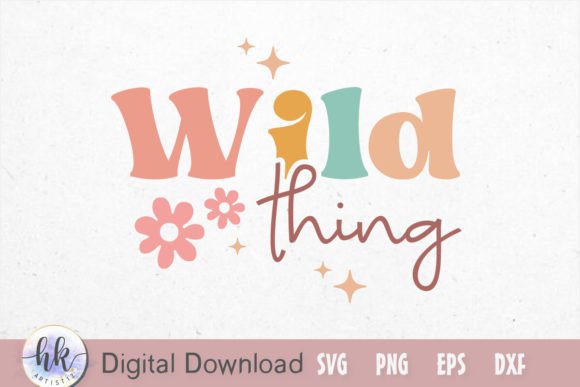
The moment you open the Wild Thing Retro SVG, the mood shifts. It isn't just a generic animal silhouette; it carries a distinct retro energy that feels warm, playful, and timeless. For an embroidery designer, the initial assessment comes down to shape language. The curves are fluid, suggesting movement, while the lines remain bold enough to be readable even at smaller scales. This is crucial because many digital designs lose their character when scaled down for a 4x4 hoop or a small cap patch.
In terms of layout, the design strikes a balance between detail and simplicity. It avoids the trap of being overly busy, which often leads to thread breaks or a muddy finish on dense fabrics. The "Retro" aspect suggests it pairs beautifully with vintage color palettes—mustard yellows, burnt oranges, and deep teals. It feels like a design that naturally belongs in a nursery, on a toddler's sweatshirt, or as a signature element for a boutique brand selling handmade goods. It has a personality that customers will immediately recognize and appreciate.
Putting It to Work: A Real-Life Project Scenario
To truly evaluate this machine embroidery design, I imagined a specific use case: creating a custom embroidered tote bag for a local craft fair. The goal was to produce a high-quality handmade product that would appeal to parents looking for unique personalized gifts. The Wild Thing Retro SVG seemed ideal for this, given its playful theme.
When mapping out the placement on the canvas tote, the design fit perfectly within a standard 5x7 hoop area. However, the transition from digital preview to physical stitch revealed some important nuances. On a light-colored fabric, the design pops with clarity. The satin stitch areas (if applicable to the digitization) would provide a smooth, glossy finish that catches the light, enhancing the retro aesthetic. For a tote bag design, this level of visual appeal is essential for driving sales at a booth where seconds count.
I also considered how this might translate to a sweatshirt embroidery project. The retro style fits the cozy, textured nature of fleece and cotton blends. When stitched onto a dark grey sweatshirt using cream or gold thread, the Wild Thing Retro SVG creates a striking contrast that feels premium. It elevates a basic garment into something that looks like it came from a specialized small shop product line rather than a big-box store. This distinction is vital for Etsy sellers and creative entrepreneurs trying to build a loyal customer base.
Performance on Different Fabrics and Surfaces
Not all fabrics play nice with every design. While the Wild Thing Retro SVG is versatile, there are specific contexts where you need to exercise caution. For instance, attempting this design on a highly textured fabric, like a chunky knit wool or a rough burlap, might obscure the finer details. The stitch density needs to be sufficient to cover the fabric texture without puckering, so checking the underlying digitization is key.
Stretchy fabrics present another challenge. If you plan to embroider this on a baby onesie made of jersey knit, you must ensure adequate stabilizer is used to prevent distortion. The design itself is likely balanced well, but the execution depends heavily on your preparation. Similarly, for embroidered patches, the clean edges of the retro shape work well, but if the design includes tiny lettering or intricate inner details, you might find them getting lost if the final patch size is too small. Always verify the minimum recommended size before committing to production.
Dark fabrics require a different strategy. If you choose to use this on a black hoodie, you might need to add a backing layer or adjust your thread colors to ensure the design stands out. The running stitch elements, if present, can sometimes get lost against dark backgrounds unless a contrasting outline is added. This is a common pitfall in commercial embroidery, where consistency across different colorways is required.
Impact on Brand and Customer Trust
A well-executed design does more than just look good; it builds trust. When a customer receives a finished product featuring the Wild Thing Retro SVG, they subconsciously judge the quality of the entire item based on the stitching. Clean lines, no loose threads, and proper tension signal professionalism. If the design is poorly executed, it can undermine the perceived value of the entire craft business.
This design asset has the potential to enhance brand consistency. Its retro theme allows for cohesive collections, whether you are making kitchen towels, pillow covers, or holiday embroidery items. Customers remember brands that have a distinct visual identity. By using a design with such strong character, you create a memorable impression that encourages repeat purchases. Furthermore, the versatility of the file means you can create various printable mockups for your online listings, showing potential buyers exactly what the final result will look like, thereby increasing engagement.
Practical Designer Notes for Success
Before you rush to load this into your machine, there are a few technical steps every professional should take. First, always test the design on scrap fabric that matches your intended project material. This helps you gauge the hoop size requirements and ensures the design doesn't distort on the specific weave of your fabric.
Check the stabilizer choice carefully. For a design like this, which likely features a mix of fill and satin stitches, a cut-away stabilizer is often best for durability, especially for items that will be washed frequently, like apparel or home decor. Don't rely solely on tear-away for heavy-use items.
Review the file details provided. The description mentions EPS, SVG, PNG, and DXF formats, which is excellent for flexibility. Ensure you are using the correct format for your specific machine software. If you are planning to sell finished items, double-check the licensing terms regarding digital product sellers versus physical goods. Some licenses allow for unlimited sales, while others may have restrictions.
Finally, inspect the design in black and white mode on your computer. This strips away color distractions and lets you see the true structure of the lines. Are there any tiny corners that might snag? Is the spacing consistent? These small details make the difference between a mediocre job and a stunning piece of art. The Wild Thing Retro SVG shows promise as a reliable tool in your arsenal, offering a blend of charm and practicality that serves both hobbyists and serious business owners alike.