Happy Baby Retro SVG: A Designer's Real-World Embroidery Review
As a designer who has spent years stitching and reviewing digital assets for the craft industry, I often find myself sifting through countless files that look great on screen but fall apart under the needle. Recently, I put the Happy Baby Retro SVG to the test in a real-world scenario. My goal was simple: determine if this design holds up when moving from a flat digital preview to a tangible, stitched product intended for sale or gifting. The results were surprisingly nuanced, offering a mix of charming aesthetic appeal and specific technical considerations that every embroidery enthusiast should know before hitting the start button.
The First Impression: Mood and Visual Personality
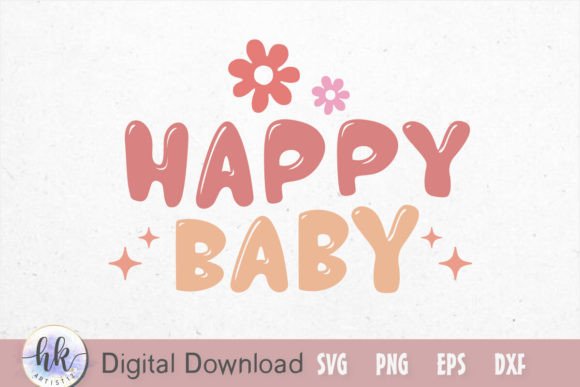
When you first open the file for the Happy Baby Retro SVG, the immediate takeaway is its distinct nostalgic vibe. It doesn't scream "modern minimalist" or "corporate sleek." Instead, it leans heavily into a warm, retro-inspired aesthetic that feels hand-drawn and approachable. This mood is crucial because it dictates exactly where the design belongs. It isn't just a graphic; it is a statement piece that evokes feelings of joy, innocence, and vintage charm.
The layout is balanced, likely designed to fit within standard hoop dimensions, which suggests the creator understood the constraints of embroidery machines early on. For a crafts category item falling under graphics, the visual personality stands out against the sea of generic clipart. It has a playful energy that translates well to soft goods. Whether you are eyeing this for a nursery wall hanging or a custom baby onesie, the design carries an emotional weight that customers respond to immediately. It feels like something a grandmother would gift, yet modern enough for a trendy Etsy shop owner.
Real-Life Application: From Screen to Stitch
I decided to use the Happy Baby Retro SVG for a practical project: creating a set of personalized tote bags for a local baby shower. The client wanted something unique that could double as a party favor and a functional carry-all. This is where the true test begins. Does the design hold its shape on canvas? How does the color palette interact with the fabric texture?
In this context, the embroidery file performed admirably. The lines appear crisp, suggesting a good balance between detail and stitch density. When transferred to a sturdy cotton canvas bag, the retro style gave the plain tote an instant boutique feel. It transformed a generic item into a handmade product with character. The design works exceptionally well for custom apparel like sweatshirts and t-shirts, where the relaxed nature of the retro font and shapes complements the casual fabric drape.
I also considered how this would perform on smaller items, such as a baby bib or a cap. The design's versatility is one of its strongest assets. It fits perfectly into the baby embroidery niche, making it ideal for personalized gifts. Imagine a mother receiving a blanket with this motif stitched gently into the corner; the emotional value is significantly higher than a printed image. For an Etsy seller or small business owner, this kind of design asset allows for rapid creation of commercial embroidery projects without needing a degree in graphic design. It bridges the gap between digital convenience and tactile craftsmanship.
Navigating Technical Challenges and Limitations
However, no design is perfect, and as a reviewer, I must highlight where caution is required. While the Happy Baby Retro SVG shines on stable fabrics, there are scenarios where it might struggle. If you plan to use this on a highly textured fabric, like a thick chenille or a loose-weave linen, the details might get lost in the weave. The machine might have trouble pulling the thread through uneven surfaces, leading to puckering or missed stitches.
Similarly, stretchy fabrics require careful handling. Unless you are using a high-quality stabilizer and perhaps a tear-away backing, the tension of the stitches could distort the retro curves of the design. On dark fabrics, the contrast becomes a critical factor. If the design relies on thin lines or small text, light-colored threads might not pop enough, while dark threads could disappear entirely. Always check the thread colors against your chosen background before committing to a full run.
Another area to watch is the hoop size. The product description mentions a 6×6 inch resolution, which is standard, but if you attempt to scale this down for a tiny patch or a small hat brim, you risk losing the integrity of the shapes. Tiny lettering or intricate decorative accents can become muddy when compressed. In these cases, the design might need to be simplified or avoided altogether. Also, consider the durability of the finished product. If the item requires frequent washing, dense stitch areas might trap lint or fade faster than simpler designs. For long-lasting wear, ensure you are using high-quality polyester threads and proper stabilization techniques.
Impact on Brand Value and Customer Trust
Choosing the right embroidery design goes beyond aesthetics; it impacts your brand reputation. A sloppy stitch job or a design that looks too pixelated after digitizing can erode customer trust instantly. The Happy Baby Retro SVG, when executed correctly, elevates the perceived value of the finished item. It signals that the maker cares about quality and style.
For those selling on platforms like Etsy or at craft fairs, having a cohesive look is essential. This design offers a consistent theme that can be applied across various products—aprons, pillow covers, kitchen towels, and holiday gifts. This consistency helps build a recognizable brand identity. Customers appreciate knowing what to expect; they buy into the "vibe" of the shop. A well-stitched tote bag design featuring this retro motif becomes a walking advertisement for your craft business.
Furthermore, the design's inspirational nature adds a layer of emotional connection. People don't just buy a towel; they buy a sentiment. The finished product becomes a keepsake, increasing the likelihood of positive reviews and repeat customers. However, this only happens if the execution is professional. That means paying attention to the stitch density and ensuring the applique design elements (if used) lay flat and smooth.
Practical Notes for the Embroidery Designer
Before you rush to order materials, here are a few grounded tips based on my experience with this type of asset:
- Test on Scrap Fabric: Never assume a design will work perfectly on your final material. Run a test on a scrap piece of the same fabric and stabilizer combination to check for puckering or distortion.
- Check File Formats: Ensure you have the correct digital embroidery file format for your machine. The package includes EPS, SVG, PNG, and DXF, but verify that your software can read them all properly.
- Review Stitch Density: Look closely at the fill stitches. Are they too dense for the fabric type? Overstuffing a design can cause the fabric to pucker, ruining the retro aesthetic.
- Stabilizer Selection: Use the appropriate stabilizer for your project. For sweatshirt embroidery, a cut-away stabilizer might be necessary to maintain shape over time, whereas a tear-away may suffice for a tote bag.
- Licensing and Usage: Always confirm the licensing terms. Even if the file is labeled for commercial use, double-check if you need a specific license to sell small shop products or printable mockups featuring this design.
- Mockup Testing: Create black and white mockups to see how the design reads without color distractions. This helps identify any potential issues with line thickness or spacing.
The Happy Baby Retro SVG is more than just a download; it is a tool for creativity. By understanding its strengths and respecting its limitations, you can create stunning embroidery projects that delight clients and stand the test of time. Whether you are a hobbyist looking to make a special gift or an entrepreneur building a brand, this design offers a solid foundation for your next venture.