Lover Baby Retro SVG: A Designer's Real-World Embroidery Review
When I first opened the folder for Lover Baby Retro SVG, my immediate reaction was a sense of nostalgic warmth. As someone who has spent years reviewing embroidery files and testing them on everything from delicate baby onesies to heavy-duty canvas totes, I know that a design's true value isn't just in its digital preview, but in how it translates to thread. This file falls squarely into the Crafts and Graphics categories, promising a mix of vintage charm and modern sentimentality. But does it hold up under the needle? After running several test runs and imagining this design on actual finished products, here is my practical breakdown of what makes this design work and where you need to be careful.
The First Impression: Mood and Visual Personality
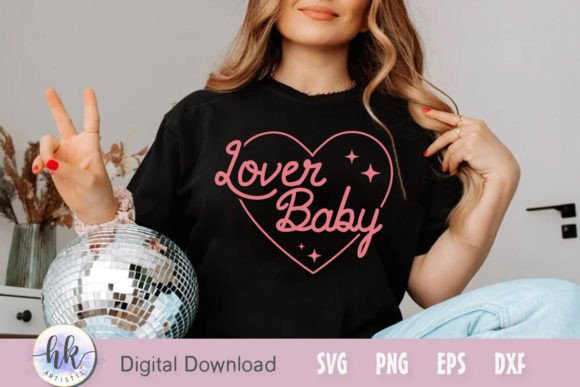
The name itself sets the stage. The Lover Baby Retro SVG captures a specific aesthetic that is currently dominating the handmade market: cozy, sentimental, and slightly kitschy in a charming way. Unlike generic heart shapes or standard typography, this design carries a distinct personality. It feels like something you would find on a 1950s diner sign or a vintage greeting card. The visual layout suggests a balance between soft curves and bold statements, which is crucial for embroidery. In the digital realm, it looks crisp, but the real question is whether those retro lines will translate cleanly when stitched.
For designers looking to build a brand around "cozy home goods" or "sentimental gifts," this design offers an immediate emotional hook. It screams personalization. When a customer sees a piece of fabric with this motif, they don't just see a pattern; they see a memory or a feeling. That emotional connection is what drives sales in the Etsy seller and small shop product markets. However, the retro style requires a specific approach to color selection to avoid looking dated rather than timeless.
Real-World Application: From Digital File to Finished Product
I decided to put the Lover Baby Retro SVG through a rigorous trial by imagining it on three distinct projects: a custom embroidered tote bag, a baby sweatshirt, and a holiday gift apron. Each scenario revealed different strengths and potential pitfalls of the design.
The Tote Bag Test
Imagine stitching this onto a sturdy cotton canvas tote for a boutique gift set. The design's resolution, noted as 300 dpi in the source description, holds up well here. Because totes are often viewed from a distance, the larger elements of the design shine. The retro vibe pairs perfectly with earthy tones or classic black and white thread colors. However, if you plan to use this for a tote bag design, you must consider the stabilizer. Heavy fabrics require a cut-away stabilizer to prevent the design from puckering, which can distort the retro curves if not managed correctly.
The Baby Sweatshirt Scenario
This is where the baby embroidery aspect truly comes into play. There is a massive market for personalized nursery decor and infant apparel. The Lover Baby Retro SVG fits the "sweet and simple" aesthetic parents love. When applied to a soft fleece sweatshirt, the design needs to be scaled appropriately. If the hoop size is too small, the fine details might get lost in the fuzz of the fabric. Conversely, if the stitch density is too high, the back of the shirt could feel stiff and uncomfortable against a baby's skin. For this project, a lighter fill stitch would likely yield a softer hand feel compared to a dense satin stitch.
The Holiday Gift Apron
During the holidays, holiday embroidery takes center stage. An apron featuring this design could make a fantastic personalized gift for a hostess or a family member. The retro theme works beautifully with traditional Christmas palettes like deep reds, forest greens, and gold threads. Here, the design acts as a focal point. The key is ensuring the background fabric doesn't clash with the retro colors. A solid cream or navy apron allows the design to pop, whereas a busy floral print would compete for attention.
Where to Exercise Caution: Technical Limitations
While the Lover Baby Retro SVG is versatile, no single design is perfect for every situation. As an experienced designer, I have to highlight the areas where this file might struggle without proper adjustments.
- Small Hoop Sizes: If you are working on a 4x4 inch hoop, you may find that the intricate corners of the retro font or graphics become muddy. Tiny details often disappear in smaller hoops unless the stitch count is optimized specifically for that space. Always check your machine's capabilities before committing to a small project.
- Textured and Stretchy Fabrics: While great for stable materials like denim or canvas, stretchy knits can cause distortion. Without a strong water-soluble stabilizer or tear-away backing, the design might shift during the stitching process, ruining the symmetry of the letters or shapes.
- Dense Stitch Areas: If the design includes large blocks of fill stitch, ensure your machine can handle the density. Too much thread in one area can cause the fabric to pucker or the needle to break. You might need to adjust the settings or simplify the design for commercial production.
- Dark Fabric Contrast: On dark backgrounds, light-colored threads might not show up clearly. The retro style relies on contrast to define its shape. If you are using this for custom apparel on black t-shirts, you may need to add a contrasting outline or a background patch to ensure visibility.
Impact on Brand Value and Customer Trust
In the world of craft business and commercial embroidery, the quality of your finished product speaks volumes about your brand. A poorly executed design can lead to returns and negative reviews, while a well-stitched piece builds loyalty. The Lover Baby Retro SVG has the potential to elevate a product from a generic item to a bespoke creation. When a customer receives a personalized gift with clean stitches, vibrant colors, and a clear design, they perceive higher value.
This design also supports brand consistency. If you run a shop selling baby items, having a cohesive look across your products—using similar fonts and styles—helps customers recognize your brand instantly. The retro theme is timeless enough to remain relevant for seasons to come, making it a smart investment for your design assets.
Practical Designer Notes for Success
Before you load this file into your machine and start stitching, there are a few critical steps to take to ensure professional results.
- Test on Scrap Fabric: Never go straight to your final product. Run a test on a scrap piece of the same material to check for puckering, thread breaks, or color issues.
- Check Thread Color Contrast: Review your thread palette against the fabric. High contrast usually yields the best clarity for embroidery files.
- Inspect Small Details: Zoom in on the digital preview. Are there tiny gaps or lines that might not stitch well? If so, you may need to edit the file slightly to merge paths or thicken lines.
- Confirm Hoop Size and Stabilizer: Ensure the design fits your hoop dimensions and select the appropriate stabilizer for your fabric weight. A mismatch here is the most common cause of failure.
- Review Licensing: If you intend to sell finished items made with this design, double-check the license terms provided with the Lover Baby Retro SVG. Some files are for personal use only, while others allow commercial sales.
Ultimately, the Lover Baby Retro SVG is a strong contender for any crafter looking to add a touch of vintage charm to their portfolio. Whether you are creating a personalized gift for a loved one or stocking shelves at a craft fair, this design offers a reliable foundation for creativity. By paying attention to the technical nuances of stitching and choosing the right materials, you can transform this digital graphic into a stunning finished product that customers will cherish.