Baby Brother Retro SVG: A Designer's Real-World Review
As a designer who spends more time behind an embroidery machine than in front of a computer, I have learned that the most beautiful vector rarely translates perfectly to thread. The gap between a crisp digital file and a stitched reality is where the magic happens—or where the project fails. Today, I am putting Baby Brother Retro SVG through its paces to see if it holds up when moved from a screen to a real-life embroidery project. This isn't just about downloading a file; it is about understanding how this design will perform on custom apparel, baby items, and commercial merchandise.
The First Impression: Mood and Visual Personality
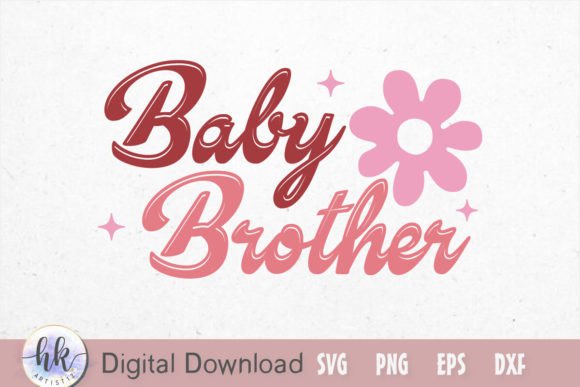
When you first open the Baby Brother Retro SVG, the immediate feeling is one of warmth and nostalgia. The retro aesthetic suggests a vintage era, likely the 70s or 80s, which brings a specific emotional weight to any finished product. It feels less like a generic clip art and more like a piece of heritage. For a crafter or small business owner, this mood is crucial because it sets the tone for the customer experience before they even touch the item.
The layout appears balanced, designed to fit comfortably within standard hoop dimensions without feeling cramped. The shapes are distinct, suggesting that the design relies on strong outlines rather than overly intricate shading. In the world of machine embroidery, simplicity often equals durability. If the design were too complex, we would risk losing detail during the stitching process. Instead, this design seems to lean into the strengths of the medium, promising a clean look that celebrates the texture of thread rather than fighting against it.
Real-World Application: From Digital File to Finished Product
Let's imagine a practical scenario. You are preparing a batch of gifts for a new arrival at a local boutique. You need something personal but professional enough to command a higher price point. You decide to use Baby Brother Retro SVG for a set of embroidered patches on canvas tote bags and sweatshirts for the family.
Here is where the design truly shines. On a canvas tote bag, the retro theme pairs beautifully with the natural, textured fabric. The bold lines of the design cut through the weave of the canvas, creating a striking contrast that looks intentional and high-quality. When applied to a sweatshirt, the design sits well on the chest area, offering a statement piece that doesn't overwhelm the garment. It feels like a handmade product that was created with care, rather than a mass-produced sticker.
I also envision this design being perfect for nursery decor. Imagine Baby Brother Retro SVG stitched onto a soft muslin blanket or a pillow cover. The nostalgic vibe adds a layer of storytelling to the room, making it a cherished keepsake. For an Etsy seller, this versatility is gold. It allows you to create a cohesive collection—tote bags, hats, and wall hangings—all featuring the same visual language. This consistency builds brand trust and makes your shop look professional.
Where the Design Shines
- Tote Bags and Aprons: The sturdy nature of these fabrics supports the density of the stitches, ensuring the design remains legible over time.
- Baby Clothing: The gentle, retro theme fits perfectly with modern parenting aesthetics, making it ideal for onesies or baby shower favors.
- Holiday Gifts: Whether for a baby shower or a holiday exchange, the design carries an emotional resonance that generic patterns lack.
- Commercial Embroidery: For small shop owners, this design offers a unique selling point that can elevate a standard product line.
Critical Considerations: Where to Use Caution
However, as an experienced reviewer, I must be realistic about where this design might struggle. Not every surface is suitable for every embroidery file. If you attempt to stitch Baby Brother Retro SVG on a stretchy, thin jersey knit without proper stabilization, you risk puckering and distortion. The retro style often relies on crisp edges, and if the fabric stretches out of shape during stitching, those edges will blur, ruining the intended aesthetic.
Small hoop sizes present another challenge. While the design is described as fitting a 6×6 inch area, details can sometimes get lost if the actual stitch count is high relative to the size. If you try to downsize this significantly for a tiny patch on a baseball cap, the running stitch areas might become muddy. Curved surfaces like caps require careful digitizing to ensure the design follows the curve of the hat without bunching up at the seams. Always test on a scrap piece of your actual target fabric first.
Dark fabrics also require a strategic approach. If the design includes light colors or white elements, you may need a substantial underlay or a tear-away stabilizer to prevent the dark background from showing through the stitches. Without this preparation, the visual appeal of the retro theme could be compromised, looking dull instead of vibrant.
Impact on Value and Customer Trust
The quality of your embroidery directly influences the perceived value of your product. A poorly executed design can make a handmade item look cheap, regardless of the materials used. Conversely, a well-executed machine embroidery design signals professionalism. When a customer sees that Baby Brother Retro SVG has been stitched with precision, clear satin stitch borders, and appropriate fill stitch density, they are more likely to trust your brand.
This is particularly important for Etsy sellers and small business owners. Your customers cannot touch the product before buying, so the images and descriptions must convey quality. Showing a close-up of a successful stitch job using this design can drive engagement and sales. It tells the buyer that you understand the craft and care about the final result. Furthermore, the retro theme adds a layer of uniqueness that helps your products stand out in a crowded marketplace.
Practical Designer Notes for Success
Before you commit to a full production run, follow these steps to ensure success with your digital embroidery file:
- Test on Scrap Fabric: Always run a test stitch on a piece of the same material you plan to use for the final product. Check for puckering, thread breaks, or color issues.
- Check Thread Colors: The retro look depends heavily on color choice. Ensure your thread selection matches the vintage vibe. High-contrast combinations often work best for clarity.
- Review Stitch Density: Look closely at the stitch density in the design files. Areas that are too dense can cause the fabric to pucker, while areas that are too sparse may look unfinished.
- Confirm Hoop Size: Verify that the design fits your machine's hoop capabilities. If the design exceeds your hoop, you may need to re-digitize or split the design.
- Inspect Small Details: Zoom in on the digital file to check for tiny elements that might not survive the embroidery process. If details are too fine, consider simplifying them.
- Mockup Testing: Create black and white mockups to see how the design translates without the distraction of color. This helps evaluate the composition and balance.
- Licensing Check: Before selling finished items or using the design commercially, double-check the license terms provided with the download. Some designs are for personal use only, while others allow commercial rights.
In conclusion, Baby Brother Retro SVG is a versatile and emotionally resonant asset for any crafter or designer looking to add a touch of nostalgia to their projects. Its strength lies in its ability to bridge the gap between digital art and tactile craftsmanship. By understanding its limitations and preparing your materials correctly, you can transform this simple file into a stunning finished product that delights customers and elevates your brand.